Fluency of Behaviour: Why Guardians Feel Discouraged and Disappointed
Understanding the stages of fluency can help us see that slow progress is not failure—it’s part of the process.

Kamelia Miri
Sneak Peek in to the article – COMING SOON
Many guardians feel disheartened when their dog seems to “forget” a cue outside the home or struggles in new environments. It’s easy to mistake these moments as failure—of the dog or of ourselves as teachers. But fluency in behaviour isn’t built overnight; it develops through careful practice across different conditions. Just like children don’t master reading or math in a single sitting, our dogs need time, repetition, and experience to carry learned behaviours into the real world. Recognizing that fluency has multiple components—and that each must be trained step by step—can shift disappointment into patience and persistence.
Related Videos
Fluency of behaviour has six components, and dogs are trained for each component separately.
Precision: What does the behaviour look like?
Latency: How long does it take for the dog to begin responding to the cue?
Speed: How long does it take for the dog to complete the behaviour?
Distraction: Can the dog perform the behaviour under distractions?
Duration: Can the dog maintain the behaviour for a period of time?
Distance: Can the dog respond to the cue when the guardian is further away or moving?
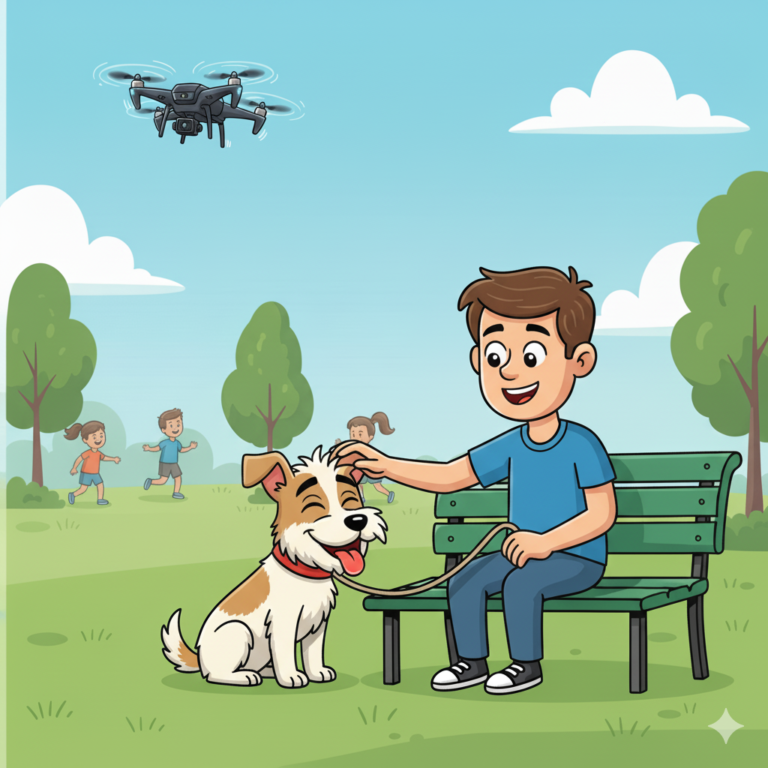
The presence of various elements and the fact that each element must be trained one at a time, highlight the importance of slow and steady learning. Just because the dog can follow a cue at home does not mean they will perform it immediately in a busy park.
Please don’t feel disappointed with your dog’s progress or doubt your ability to teach them; fluency develops gradually through practice.
For our purposes, fluency for our dogs often means being able to perform behaviours:
Reliably
In different settings
Calmly and confidently
Example: Teaching “Watch Me”
Begin at home in a calm, distraction-free environment until your dog understands the cue and can respond reliably.
Once she can do this, introduce mild distractions at home while ensuring they still feel safe. If they struggle, practice at this level until they succeed consistently.
Next, move training outdoors. Start in a quiet park, away from triggers, and build reliability there.
Gradually progress to other public settings with increasing distractions.
When your dog consistently responds in these environments, begin using the cue around their triggers—always paired with careful desensitization so they are never pushed beyond her comfort level.