Enrich My Life: Caged, Choked and Shocked
From Possession to Protection: Becoming Guardians of Those Without a Choice

K Miri
In an increasingly disconnected world burdened with mounting stressors, companion animals nurture us with unwavering love and unparalleled comfort. They provide a sense of presence and loyalty that can alleviate feelings of detachment, anxiety, depression, and trauma. Their unconditional love and pure, non-judgmental affection is a powerful antidote to the challenges and complexities of modern life.
Imprisoned Survival: Consider human prisoners! They receive food, water, and shelter, yet most do not choose prison as a way of life because it denies individuals autonomy, freedom, and the ability to engage in meaningful activities of one’s own choosing. Our canine companions and workers live entirely outside their natural habitat, often prevented from engaging in their most basic canine behaviours—sniffing, digging, exploring, socializing freely; many are caged in crates for hours on end, with limited space to move. They have no voice in how they live, what they eat, or even when they are allowed to relieve themselves. Countless videos circulate online of people joking that their dog or cat “lives rent-free” in their home, yet what is often overlooked is that these animals were never given a choice in the matter. This way of life is not something they opted into—it was decided for them. In reality, they are captives of human design, confined to a world where their freedoms are limited, despite having committed no crime.

The Misguided Quest for Enrichment: Dogs have severely limited autonomy throughout their lives. They have no choice in being bred or adopted, no control over their diet, and no agency in their daily activities—even when it comes to fulfilling their most basic instinctual needs. When they are subjected to punitive training methods and excessive confinement, their quality of life deteriorates significantly. The very practices of have a companion animal or a working dog meant to enrich the guardian’s life often end up causing significant harm to the animal.
Most of us don’t want to be held hostage against our will, shocked, choked, and imprisoned in the name of someone else’s pleasure. Yet, in pursuit of one's enrichment, some resort to punitive measures that harm the very creatures they intend to love. Guardianship must be rooted in reciprocity—a symbiotic relationship that ensures the well-being of both guardian and animal, where care, respect, and understanding flow in both directions.

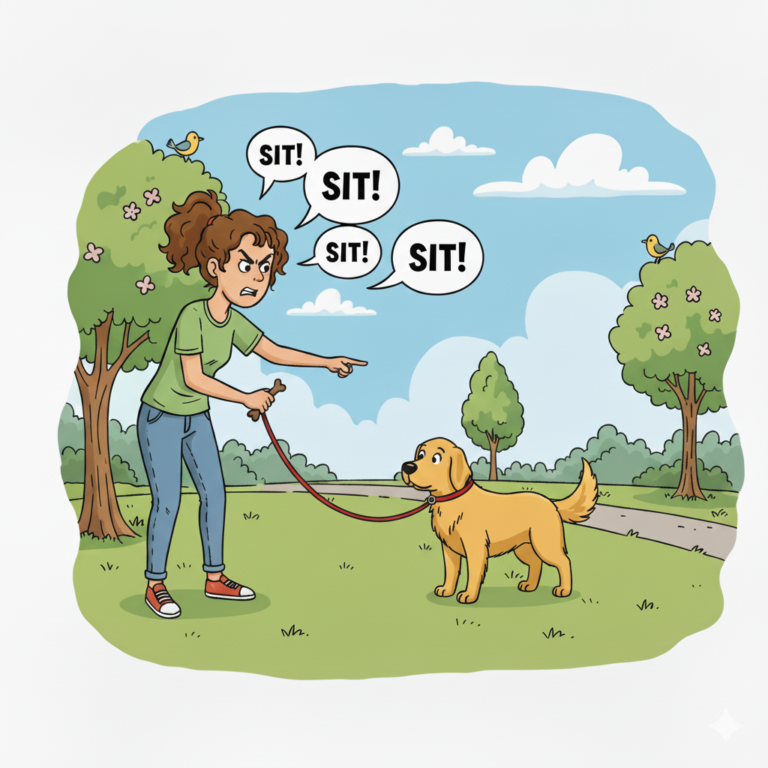
Punishment and its consequences: Punishment-based tools are intended to reduce the occurrence of unwanted behaviours. In applied behaviour science, punishment is defined as any consequence that decreases the likelihood of a behaviour occurring in the future. This is not limited to physical corrections—it can include anything the animal perceives as unpleasant, such as verbal scolding, crating, leash corrections or other means of inflicting pain such as prong collars and shockers.
While punishment may suppress behaviour in the short term, it does not teach the animal an appropriate alternative. Additionally, many behaviours labelled as unwanted are conserved traits that have evolved to increase the species’ fitness and improve their chances of survival or have been intentionally—or unintentionally—bred into the genetic lines of working dogs as well as companion dogs (see table below).
Suppressing these natural behaviours through fear and pain fails to address the animal’s underlying needs and does not provide them with appropriate, acceptable alternatives.

| Unwanted Behaviour | Evolutionary Purpose | Breeding Influence |
|---|---|---|
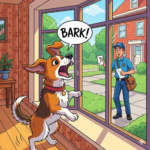
| Barking | Alarm system to warn of danger and communicate within packs | Enhanced in guard, herding, and hunting breeds (e.g., German Shepherds, Collies, Beagles) |
| Digging | Den building, food storage, and temperature regulation | Encouraged in terriers and some working breeds (e.g., Dachshunds, Huskies) |
| Herding Behaviour (nipping, chasing) | Controlling movement of prey or pack members for survival | Refined in herding breeds (e.g., Border Collies, Australian Shepherds) |
| Resource Guarding | Protecting food and resources from threats to ensure survival | Seen in breeds historically guarding livestock or possessions (e.g., Rottweilers, Dobermans) |
| Chasing Moving Objects | Hunting strategy to catch prey for food | Selective pressure in sighthounds and herding breeds (e.g., Greyhounds, Border Collies) |
| Separation Anxiety (vocalization, destruction) | Maintaining social bonds and ensuring safety within a group | More common in companion breeds bred for close human bonds (e.g., Cavalier King Charles Spaniels) |
| Escaping/Roaming | Seeking mates, food, or better living conditions | Common in scent hounds and independent breeds (e.g., Huskies, Beagles) |
| Mouthing/Chewing | Exploring environment and teething relief in young animals | Encouraged in retrievers and sporting breeds (e.g., Labrador Retrievers, Golden Retrievers) |
| Prey Drive (stalking, pouncing) | Essential for hunting and catching prey for sustenance | Strong in hunting breeds (e.g., Terriers, Pointers, Spaniels) |
The Cruelty of Inflicting pain: Shock collars, designed to deliver painful electric jolts to correct behaviour, are often used to prevent dogs from barking or wandering. Choke chains and prong collars can cause physical injury and psychological distress. These collars tighten around a dog’s neck when they pull on the leash, may it be for sniffing, chasing a squirrel or assessing a passerby, causing discomfort or even injury. Their use often forces the animal into one of three distressing states: freezing in helplessness (the “freeze” response), resorting to aggression as a fight response, or attempting to flee but being unable to escape, leading to further panic and distress. In addition, the use of such devices can lead to a breakdown in the relationship between guardian and pet, undermining the trust and affection that should be at the heart of dog guardianship.
Harsh punishment, where the animal has no means of escape, can lead to extreme outcomes: the animal resigning itself to a state of misery, known as "learned helplessness," or reacting with fearful aggression.
The Cruelty of Confinement: Crate training, when done properly, can provide dogs with a safe space to retreat. However, many dogs are left in crates that are too small for extended periods, turning these potential sanctuaries into prisons. Dogs are social animals that need interaction, exercise, and mental stimulation. Confining them to a cramped crate for hours on end can lead to physical ailments, stress, and behavioural issues.
Providing a safe space for dogs is essential for their well-being, allowing them to retreat, decompress, and feel secure in their environment. A designated safe space, such as a crate, a quiet room, or a cozy bed in a low-traffic area, gives dogs a place to rest without stress or interruption. This is particularly important for dogs who experience anxiety, fear, or overstimulation. Safe spaces should always be associated with positive experiences, never used for punishment, and should include comfortable bedding, familiar scents, and enrichment items like chew toys. By respecting a dog’s need for a safe retreat, guardians can help build trust, reduce stress-related behaviours, and promote emotional resilience.

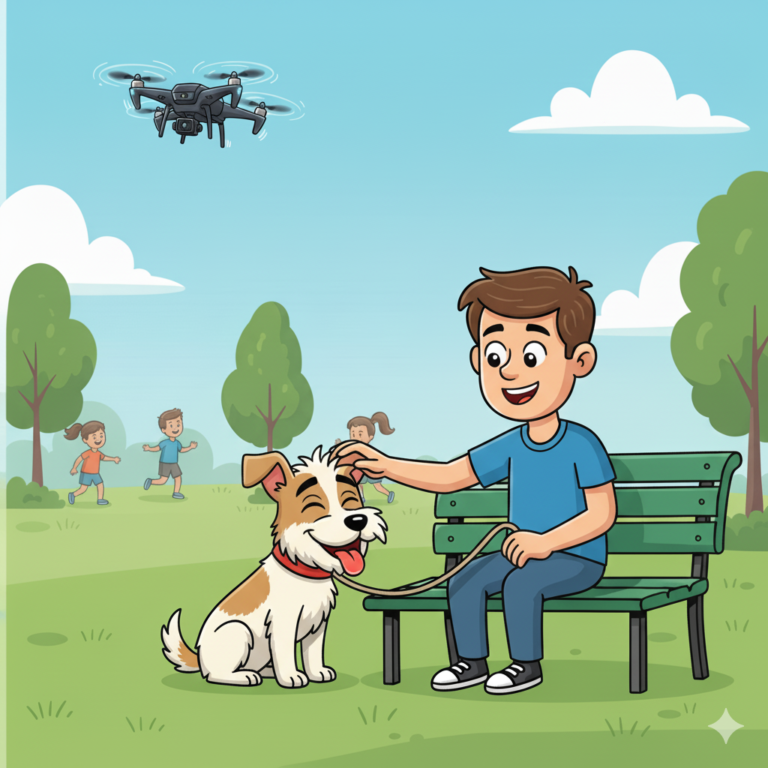
Advocating for Positive Change: It’s time to rethink our approach to dog training and care. Positive reinforcement, patience, and understanding are key to fostering a healthy and happy relationship with our pets. Reward-based training methods not only build trust but also strengthen the bond between dog and guardian.
Trust is the foundation of any strong relationship, and our relationship with our companion animals is no exception. When choice and autonomy are taken from them in even the most primal aspects of their lives, we must actively work to build an environment where they feel safe, respected, and valued. Trust is not given freely; it must be earned through consistency, kindness, and understanding.
Species Comparisons: In wolf packs, trust and cooperation dictate survival. Pack members rely on each other for safety, communication, and social bonds. Wolves do not use force to establish leadership; instead, they engage in mutual respect, clear communication, and social learning. The same principles should guide our relationship with domestic dogs. When we honour their needs and allow them to express natural behaviours without fear of punishment, we foster a bond built on trust rather than control.

Changing the Conversation from Ownership to Compassionate Guardianship: Approaching animal companionship and care with empathy, patience, and a commitment to their overall well-being. Unlike ownership, which implies possession, guardianship recognizes animals as sentient beings with their own needs and preferences. It involves forming a trusting bond, advocating for their best interests, and living harmoniously in a cooperative environment.
Changing the Conversation from Ownership to Compassionate Guardianship
By shifting our mindset from ownership to guardianship, we acknowledge the moral responsibility of caring for animals with dignity, respect, and kindness, ensuring they thrive rather than simply exist under human control.
- Meeting Their Basic Needs Animals rely on us for proper nutrition, clean water, safe shelter, and regular veterinary care. Providing species-appropriate diets, preventative healthcare, and comfortable living conditions ensures their physical well-being.
- Understanding Their Emotions Animals experience emotions such as joy, fear, and anxiety. Recognizing their emotional states allows us to respond appropriately, fostering a sense of security and trust. Training methods based on positive reinforcement help build confidence and strengthen the human-animal bond.
- Providing Mental and Physical Stimulation Boredom and lack of stimulation can lead to behavioural issues. Enrichment activities like interactive play, puzzle toys, scent work, and training sessions keep animals engaged and mentally fulfilled. Regular exercise tailored to their species and individual needs is also crucial.
- Respecting Their Individuality Each animal has a unique personality, preferences, and boundaries. Respecting their choices—whether it’s allowing a shy cat to take its time warming up to new people or understanding that a senior dog may need more rest—shows deep compassion.
- Advocating for Their Welfare Guardianship extends beyond our own animals. Supporting ethical breeding practices, adopting from shelters, speaking out against cruelty, and educating others about humane treatment contribute to a world where all animals are valued and protected.
Small Changes, Big Impact: Becoming a compassionate guardian doesn’t require drastic changes—small, mindful actions can make a significant difference. Switching to force-free training, offering choice in daily interactions, and taking the time to truly understand an animal’s body language all enhance their quality of life.
Dogs give us their unwavering loyalty and love. They deserve the same in return. By abandoning punitive tools and practices, we can create a more humane and enriching environment for our four-legged friends. Let’s enrich their lives as much as they enrich ours, without resorting to shock, choke, and cage methods.
Together, we can raise awareness about the harms of punishment-based training and advocate for compassionate, positive alternatives. Enriching our lives shouldn’t come at the cost of our pets’ well-being. Let’s commit to making their lives better, ensuring that our actions align with the love and respect they deserve.
Concluding Remarks
Compassionate animal guardianship is a lifelong journey of learning and adapting to meet the needs of the animals in our care. By prioritizing respect, empathy, and responsible decision-making, we create a world where animals thrive alongside us—not as property, but as cherished companions.
How do you practice compassionate guardianship in your daily life? Share your thoughts in the comments below!